Momotaro: origin, summary, and meaning
Guide to Momotaro: the peach boy, his animal companions, Oni Island, kibi dango, and the values behind this Japanese folktale.
Story summary
Momotaro is born from a giant peach found by an old woman in the river. Raised by an elderly couple, he grows strong, determined, and rooted in the home that welcomed him as a son.
When he hears that oni are frightening people on a distant island, Momotaro sets out carrying kibi dango. Along the way, he shares the dumplings with a dog, a pheasant, and a monkey, forming the small company that will face Oni Island.
Origin and tradition
Momotaro belongs to the world of mukashi banashi, old tales passed down orally and later reshaped in children’s books, songs, illustrations, theater, and school materials. The now-familiar form, with the peach boy and the expedition to Oni Island, became especially strong in modern children’s culture.
The most important regional association is Okayama, the old Kibi area. There, the story speaks to the legend of Ura, an oni connected with mountains and fortresses, defeated by Kibitsuhiko-no-Mikoto. Kibitsu-jinja, Kibitsuhiko-jinja, and the ruins of Kinojo help keep that local reading alive.
This regional layer makes Momotaro more than a simple children’s adventure. The tale gathers miraculous birth, food as alliance, animal helpers, a sea journey, and a clash with beings at the edge of the human world. It is easy enough for children to remember, but rich enough for historical and folkloric reading.
Symbols in the tale
The peach is not only a fantastic fruit. In East Asian imagery, peaches can suggest vitality, longevity, and protection from harmful forces. In Momotaro, the peach brings the hero as an unexpected gift, carried by water and received by a childless household.
Kibi dango is one of the tale’s key objects. It is travel food, but also a social pact: Momotaro offers something concrete before asking for help. The alliance begins through sharing, not command.
The animals make the adventure more than a test of strength. Dog, monkey, and pheasant attack in different ways, forming a team of ground, agility, and sky. The oni, meanwhile, work as boundary figures: frightening, powerful beings outside everyday life, yet central to the vocabulary of Japanese folklore.
Main characters
Momotaro is a hero born from wonder, but his identity does not depend on supernatural origin alone. He becomes heroic because he accepts a communal responsibility and learns to lead without traveling alone.
The elderly couple represents the household that turns a miracle into family. They give the peach boy a name, care, and belonging, so the adventure begins inside an ordinary home.
The oni occupy two spaces at once. In children’s versions, they are the clear threat to be faced; in regional readings tied to Ura, they may echo older memories of local power, boundaries, and the way a community narrates victory.
Moral and meaning
The most visible lesson is courage and cooperation. Momotaro faces a danger larger than himself, but the story insists that victory depends on an alliance of different abilities.
The tale also speaks about sharing and responsibility. The hero carries food prepared at home, offers part of it on the road, and turns that small gesture into commitment. Strength grows through relationship, not only through the sword.
That is why Momotaro still works so well: it is an adventure, but also a simple image of communal leadership. Even the boy born from a peach has to ask for help, recognize allies, and act for something larger than himself.
Japanese terms index
Momotarō
The hero’s name. Momo means peach, while Tarō is a traditional male name often used in Japanese stories.
Kibi dango
A dumpling associated with the Kibi/Okayama region. In the tale, it works as travel food and as a visible sign of alliance between Momotaro and his companions.
Oni
Powerful beings from Japanese folklore, often translated as ogres, demons, or giants. They can suggest wild strength, outside danger, and forces beyond ordinary human order.
Onigashima
Oni Island. In the children’s tale it is the place Momotaro travels to; in regional traditions, the idea overlaps with landscapes and legends of Okayama and the Seto Inland Sea.
Kibi
An ancient region associated with present-day Okayama. Many regional readings connect Momotaro with Kibi legends about the defeat of the oni Ura.
Ura
The oni of Kibi traditions. In Okayama, his defeat by Kibitsuhiko-no-Mikoto is often presented as one root of the Momotaro legend.
You might also like
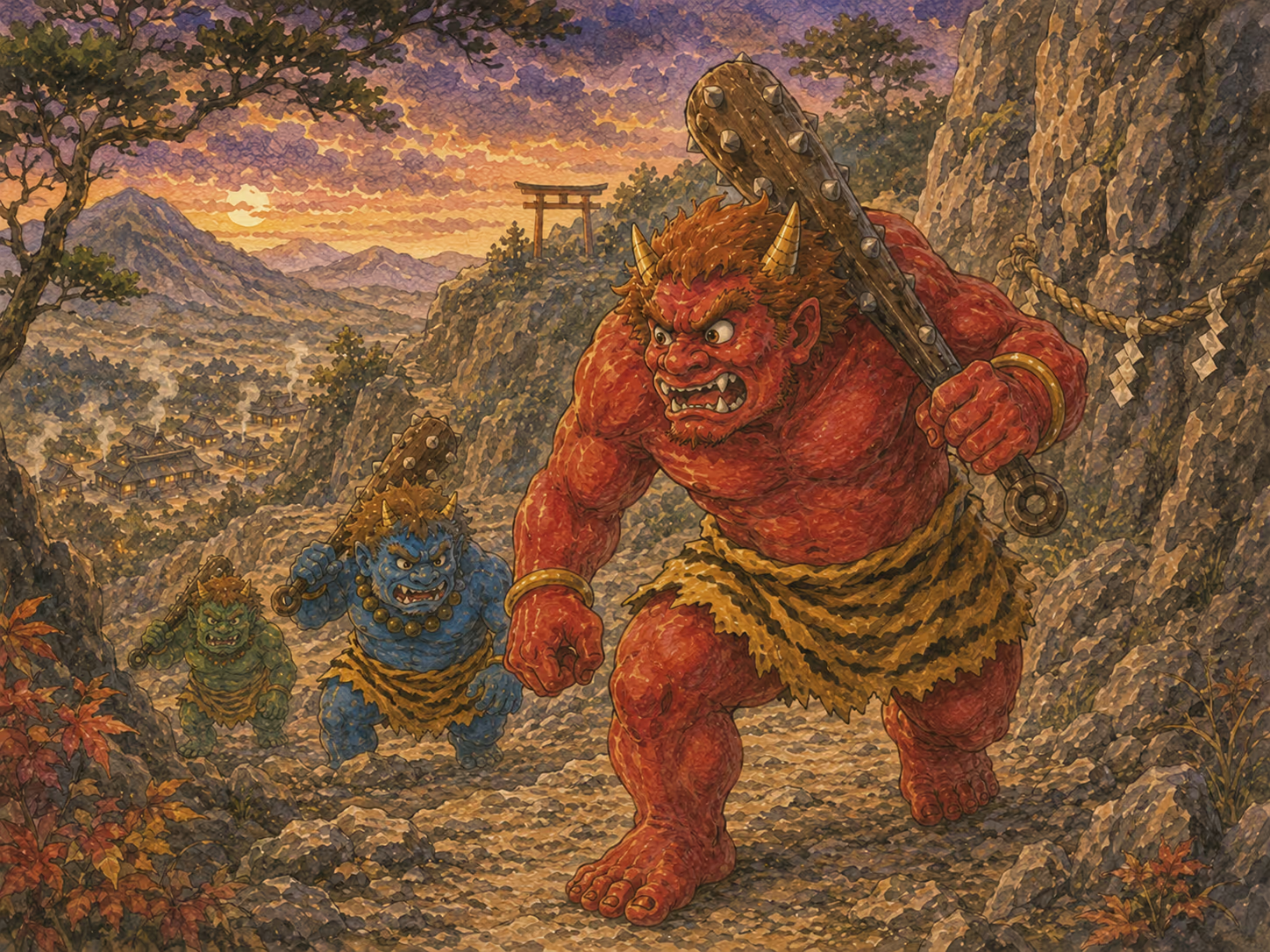
Learn what oni are in Japanese folklore and how their image embodies power, fear, punishment, boundaries, and ritual meaning.
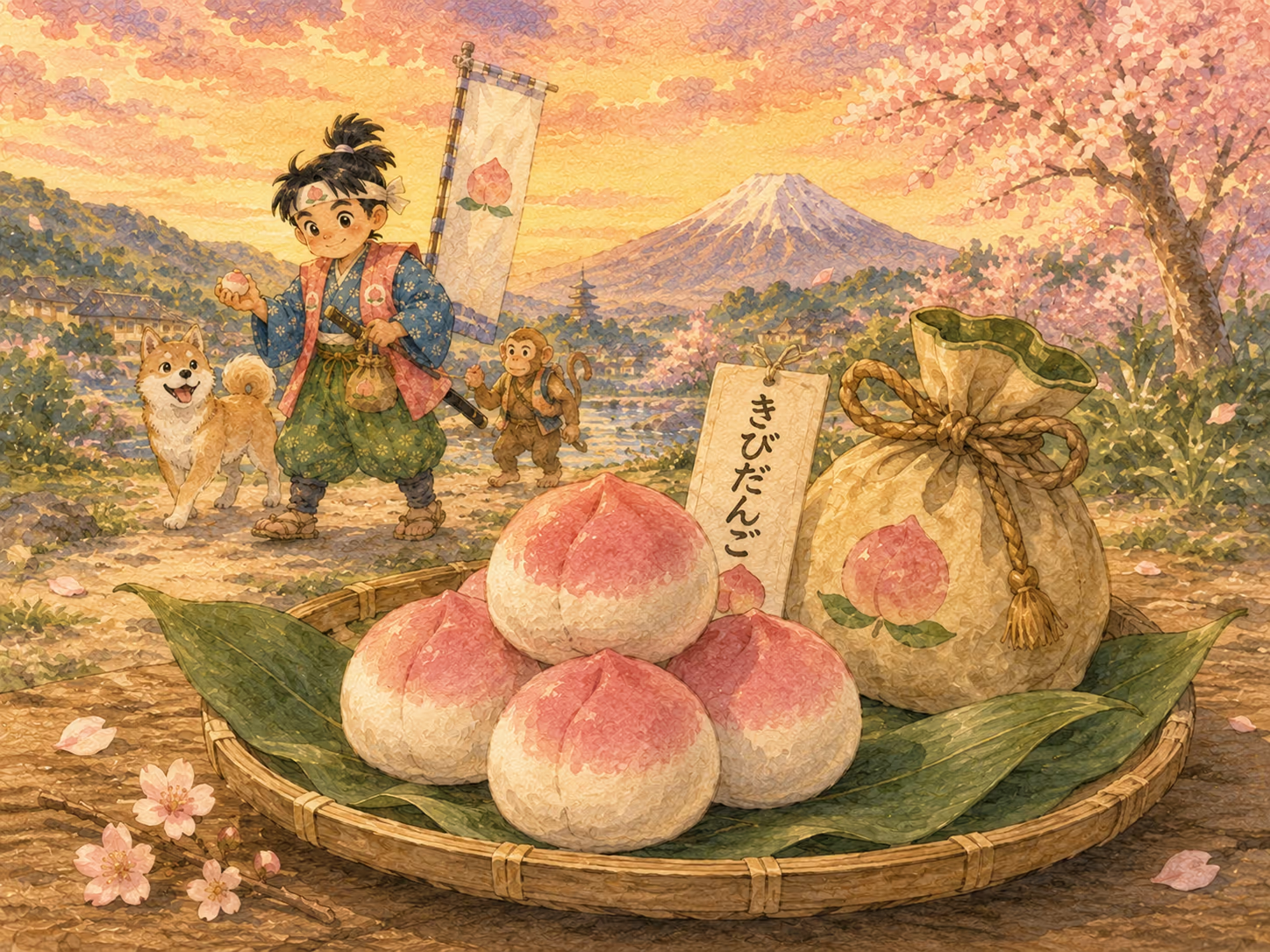
In Momotaro, kibidango is not just food: it is the small gesture that creates trust before battle.
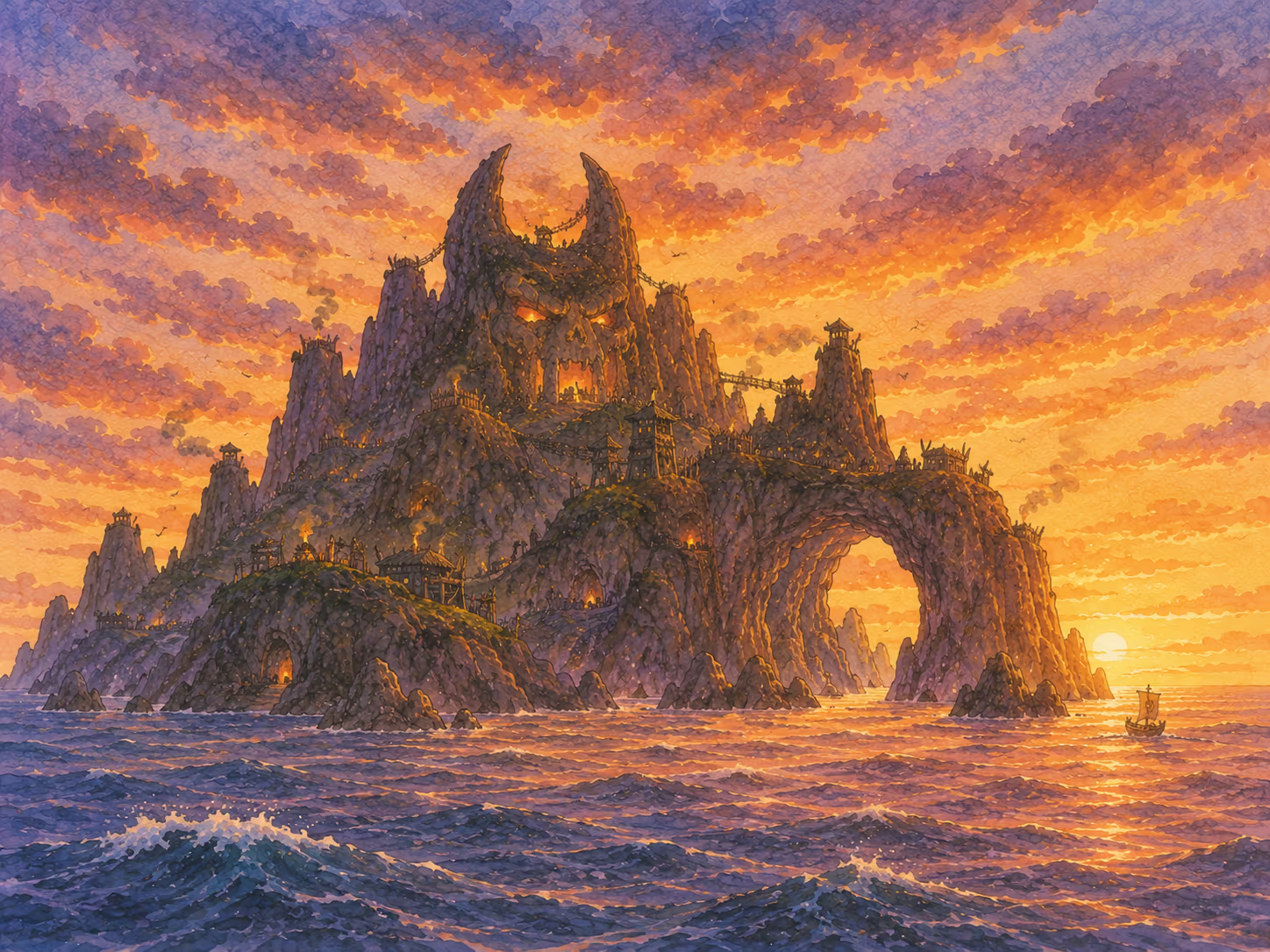
Oni Island is more than a battle destination: it is where Momotaro crosses the sea and faces fear beyond the village.
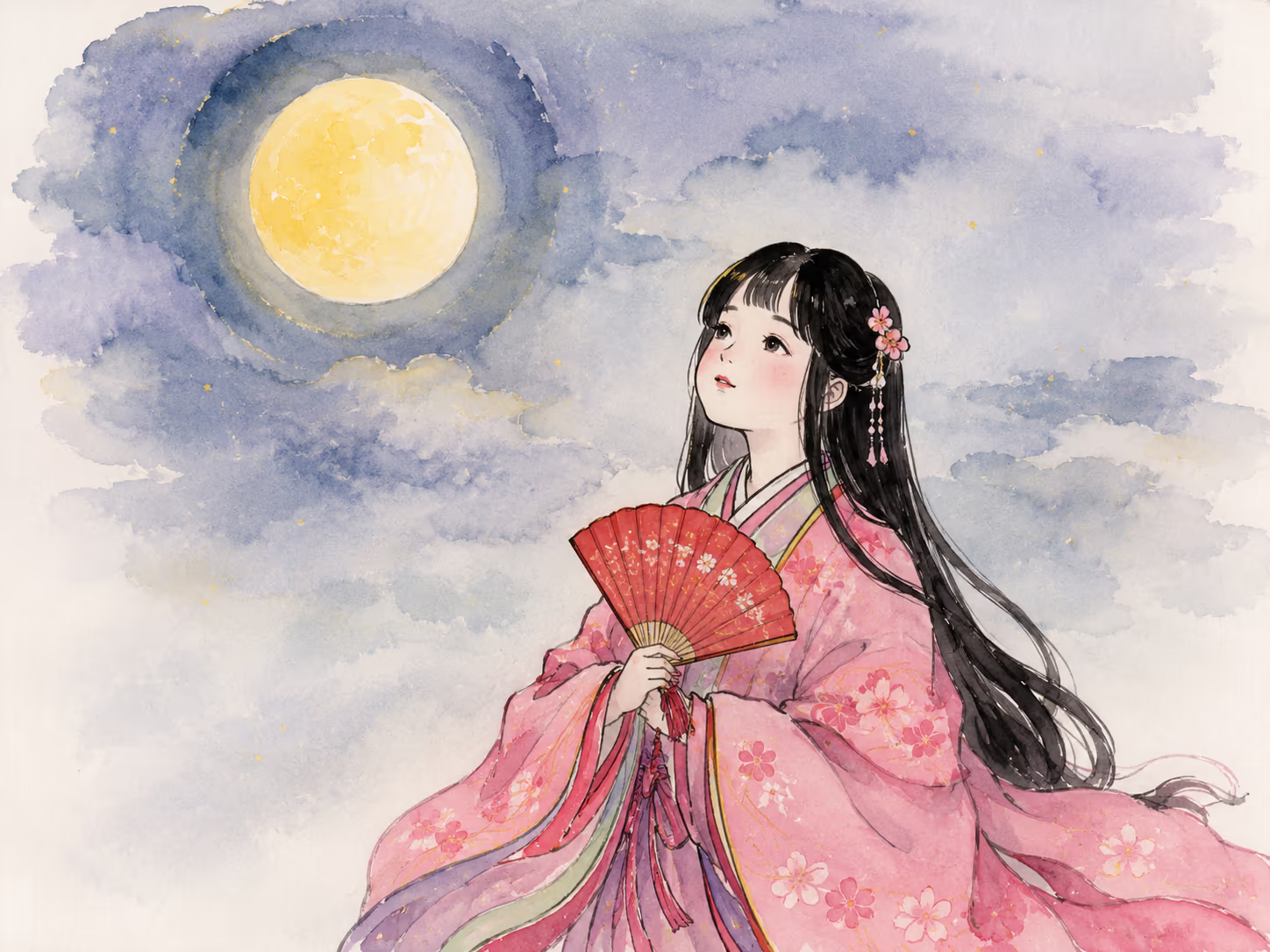
The Japanese tale of Kaguya-hime, the Moon Princess found inside bamboo and raised between affection, mystery, and fate.
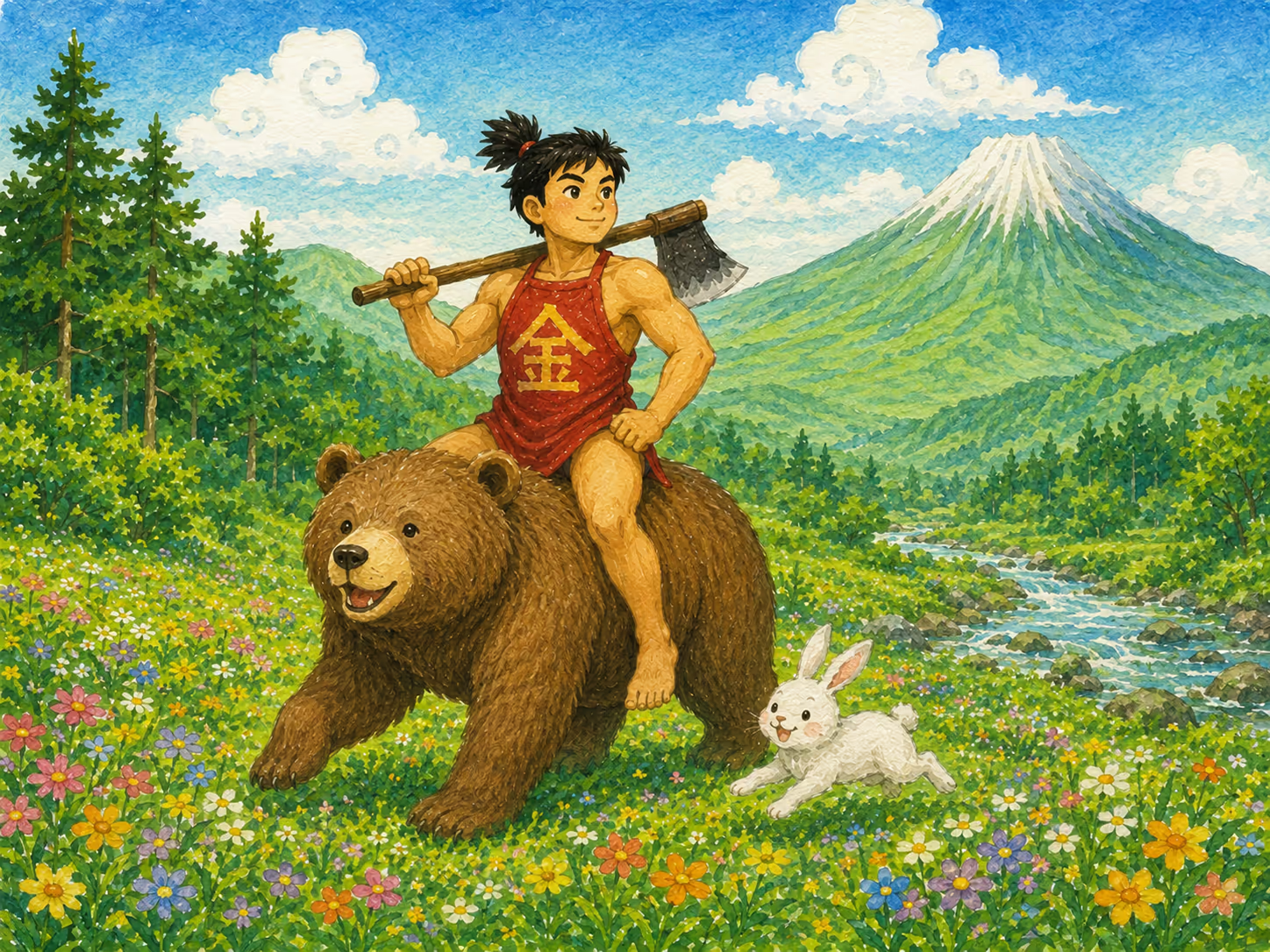
The Japanese tale of Kintaro, the strong boy of Mount Ashigara who grows up among animals and sets out toward the samurai…
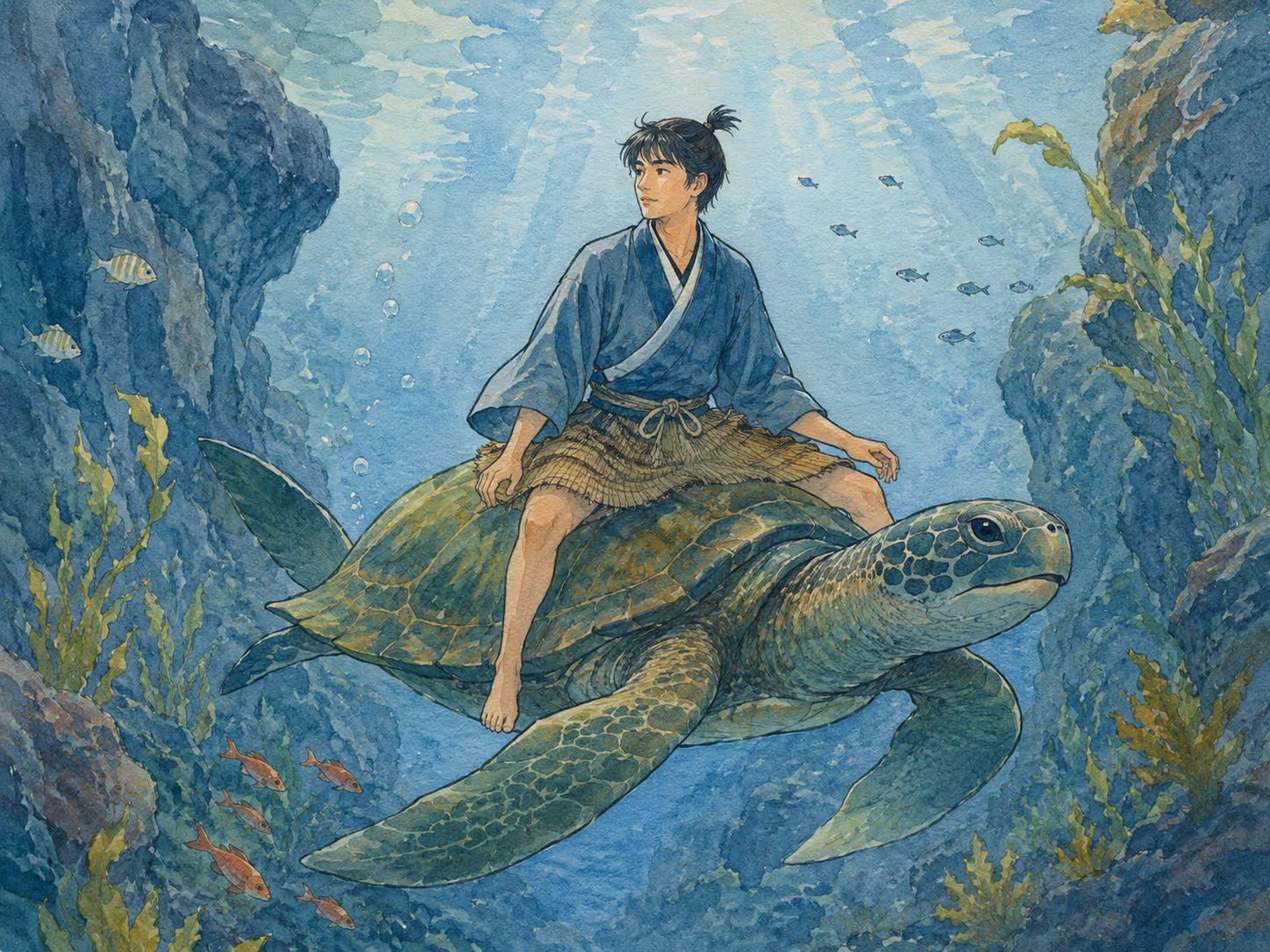
Read Urashima Taro, the Japanese legend of a fisherman who saves a turtle, visits Ryugu-jo, and returns with the mysterious…