The Witch and the Monk: origin, summary, and meaning
Guide to Sanmai no Ofuda: the young monk, the yamanba, three protective ofuda, and the clever escape at the heart of the tale.
Story summary
A young monk must cross the mountain and receives three protective ofuda from his master. On the road, he meets a seemingly frail old woman, who leads him deeper into an isolated house.
When he realizes that the old woman is a mountain witch, the monk escapes by using the talismans to buy time. The chase continues to the temple, where the master’s wit decides the confrontation.
Origin and tradition
Sanmai no Ofuda is a Japanese folktale strongly associated with the yamanba, the supernatural woman of the mountains. In many versions, the hero is a temple apprentice who receives three talismans before entering dangerous territory.
The story belongs to a family of chase narratives: the hero flees, creates obstacles, and must reach a safe place. What makes the Japanese version distinctive is the presence of the ofuda and the yamanba, who blends human appearance, supernatural hunger, and knowledge of the mountain.
The tale also preserves an old tension: the mountain can be a place of religious practice, food gathering, and passage between villages, but also a risky space where hospitality may hide danger.
Symbols in the tale
The mountain symbolizes the limit between the known and the dangerous. By leaving the temple and following the path, the young monk enters a world where appearance and intention do not match.
The ofuda are protection, but also memory of the master. They show that the monk is not alone: he carries teaching, trust, and a material form of care with him.
The yamanba’s house reverses the idea of shelter. What seems like a night’s rest becomes a trap, reminding us that in mountain tales, survival depends on noticing small signs before it is too late.
Main characters
The young monk is vulnerable, but attentive. He feels fear, improvises, and uses the ofuda intelligently, which makes him more human than grandly heroic.
The yamanba is a figure of ambiguity. She appears as a needy old woman, but carries the hunger and violence attributed to certain mountain beings.
The master represents experience and calm. When the chase reaches the temple, he does not meet the threat with brute force; he uses play, language, and composure to reverse the situation.
Moral and meaning
The tale’s moral is not to abandon compassion, but to temper it with attention. The old woman inspires pity, and that is exactly why the young monk must learn to distinguish care from naivety.
Sanmai no Ofuda also speaks about preparation. The talismans do not erase danger, but they give time, distance, and a chance to choose to someone crossing a risky place.
In the end, the story values presence of mind. The monstrous threat grows smaller when it meets someone able to observe, respond, and turn fear into strategy.
Japanese terms index
Sanmai no Ofuda
“Three ofuda”, the name of a traditional version of the tale. The title highlights the talismans that let the young monk escape in stages.
Ofuda
A protective talisman or charm associated with Japanese religious practice. In the tale, each ofuda creates a concrete response to danger.
Yamanba
A frightening female figure linked to the mountains, also called yamauba. She may appear as an isolated old woman, welcoming at first, but dangerous to those who enter her territory.
Yama
Mountain. In many Japanese tales, the mountain is a border between ordinary life and a space where spirits, tests, and ambiguous beings appear.
Kozō
A young acolyte or temple apprentice. Some versions of Sanmai no Ofuda present the hero as a boy or young person in religious training.
Mame
Bean. In this retelling, the final transformation into a bean reduces a huge threat to something small, vulnerable, and controllable.
related Japanese tales
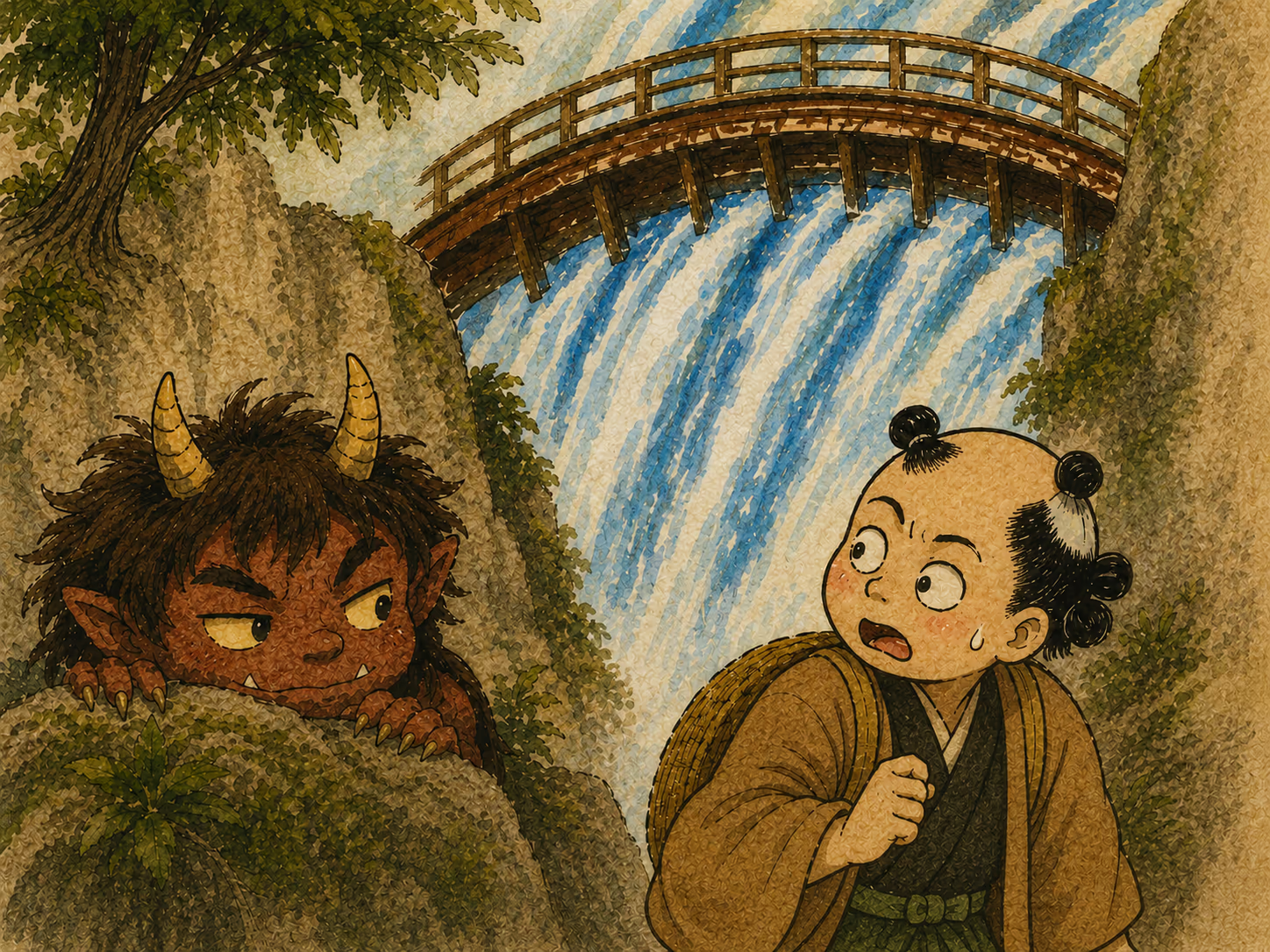
The Japanese tale Daiku to Oniroku, where carpenter Hikone must build a bridge for his village and uncover the river oni’s…
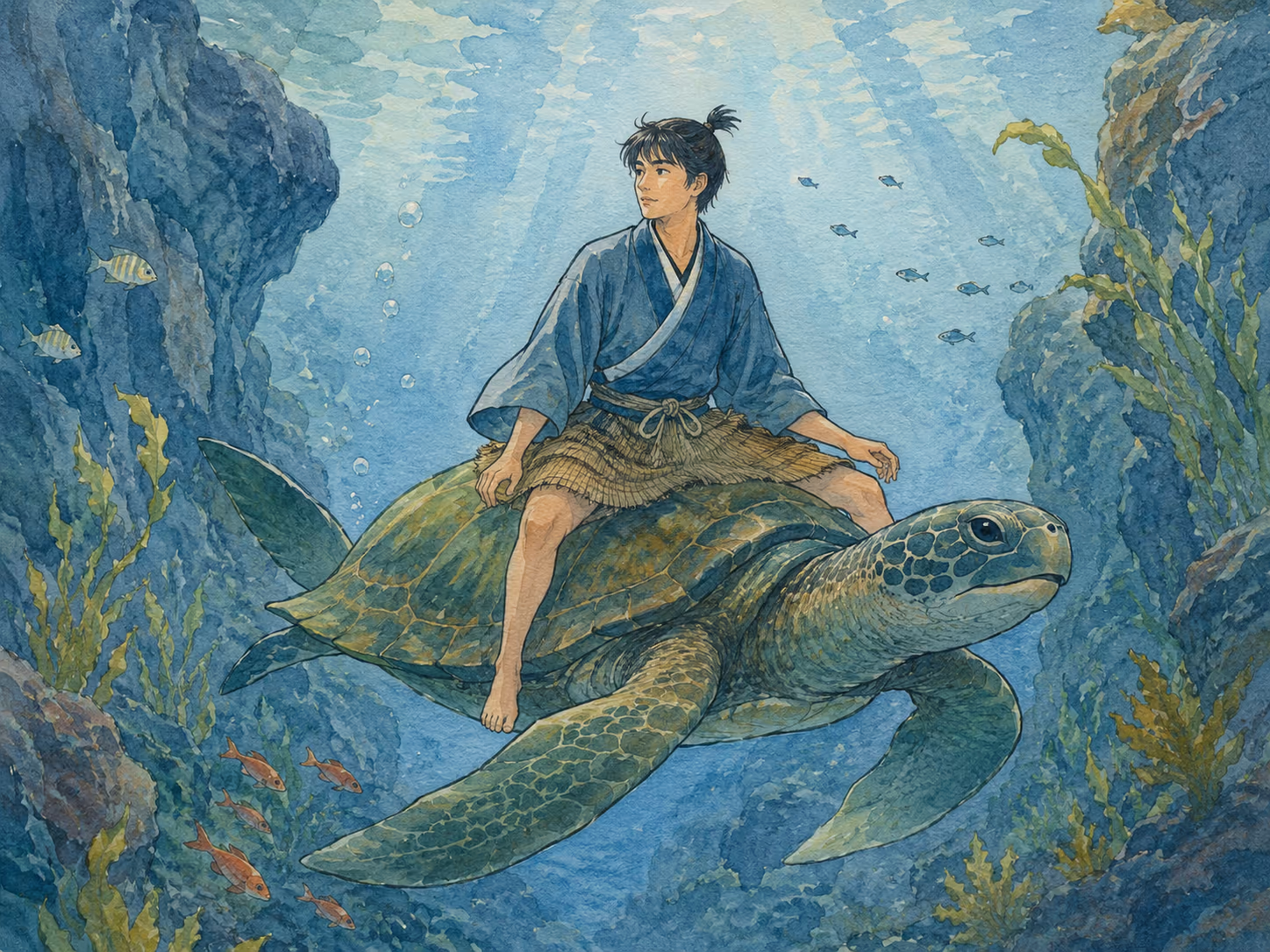
Read Urashima Taro, the Japanese legend of a fisherman who saves a turtle, visits Ryugu-jo, and returns with the mysterious…
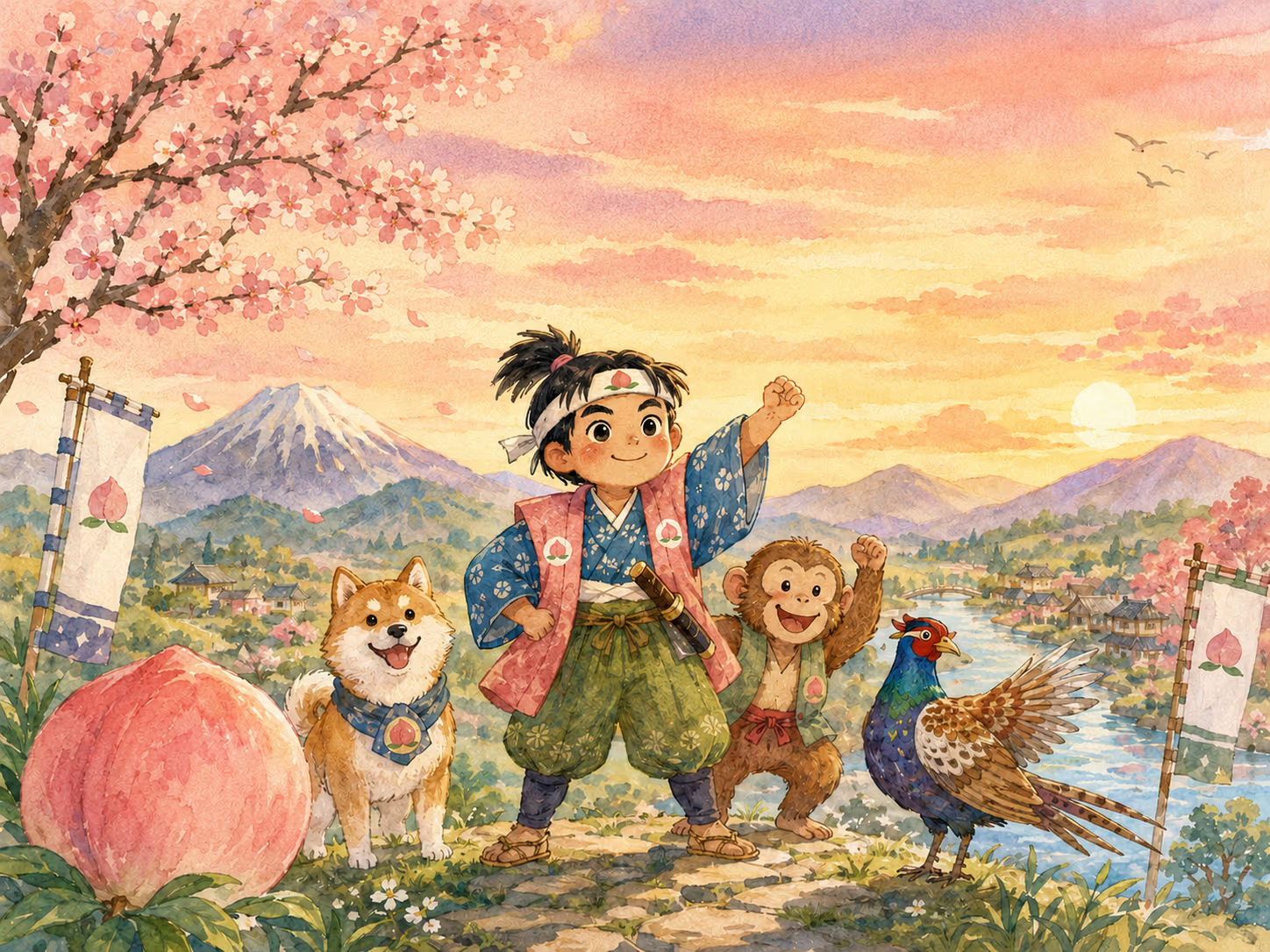
The Japanese folktale of Momotaro, the Peach Boy who travels with a dog, a pheasant, and a monkey toward Oni Island.