Hanasaka Jiisan: origin, summary, and meaning
Guide to Hanasaka Jiisan: the kind old man, Pochi, magical ashes, blooming trees, and the contrast between generosity and greed.
Story summary
A kind old man lives with his dog Pochi. After a sign from the animal, he finds wealth, but a bad neighbor’s envy turns the miracle into violence and loss.
Even after sorrow, something of Pochi’s presence continues to act in the world: tree, usu, mochi, and ashes become stages of a transformation that ends with dead trees blooming.
Origin and tradition
Hanasaka Jiisan is a widely known Japanese mukashi banashi and appears often in children’s collections, picture books, and school retellings. Its structure is clear, but its emotional impact is deep: kindness and greed receive different answers from the same world.
The tale belongs to a group of moral stories where contrasting neighbors or siblings reveal character through repeated actions. The good old man cares for Pochi; the bad old man tries to copy only the result, without understanding the bond that made the miracle possible.
The cherry blossoms give the story a distinctly Japanese layer. Making dead trees bloom is not only a magic trick; it imagines that memory, mourning, and kindness can return spring to what seemed finished.
Symbols in the tale
Pochi symbolizes loyalty and reciprocity. The dog answers the affection he receives and remains connected to the good old man’s world even after death.
The usu and mochi bring wonder inside the home. They are objects of domestic work, food, and celebration; the tale’s abundance is born from simple gestures, not from a distant treasure.
The ashes are the most beautiful symbol in the story. They come from something burned and lost, but in the right hands they become flowers. The tale turns remainder into renewal.
Main characters
The good old man is kind without expecting reward. His goodness appears in how he treats Pochi, in the mourning he gives the dog, and in the tenderness with which he gathers even the ashes of what remains.
Pochi is the emotional link of the story. He is not only a magical animal; his presence reveals who cares and who only wants to take advantage.
The bad old man represents imitative envy. He sees the result, tries to repeat the gesture, and fails because he lacks exactly what cannot be copied: intention, care, and bond.
Moral and meaning
The clearest moral is that kindness and greed bear different fruit. But Hanasaka Jiisan is more moving because it does not treat kindness as a formula for becoming rich.
The tale suggests that the way we touch things changes what they become. For a careful heart, tree, mortar, and ash still carry memory and possibility; for envy, the same objects turn empty.
That is why the final image of the cherry trees is so powerful: it does not erase the loss of Pochi, but shows that well-kept love can bloom in another form.
Japanese terms index
Hanasaka Jiisan
A phrase often understood as “the old man who makes flowers bloom”. It is the name by which the tale became known in Japan.
Pochi
A common affectionate dog name in Japan. In the tale, Pochi is more than a companion: he reveals the difference between sincere care and greed.
Usu
A large mortar used to pound rice and make mochi. In the story, the usu preserves the link between Pochi, memory, and abundance.
Mochi
A glutinous rice cake associated with celebrations and domestic rituals. In the tale, it brings wonder into everyday life.
Sakura
Cherry blossom. In Japan, sakura often suggests brief beauty, renewal, and awareness of impermanence.
Hai
Ashes. In the narrative, what seems like the remainder of destruction becomes an act of memory, mourning, and renewal.
related Japanese tales
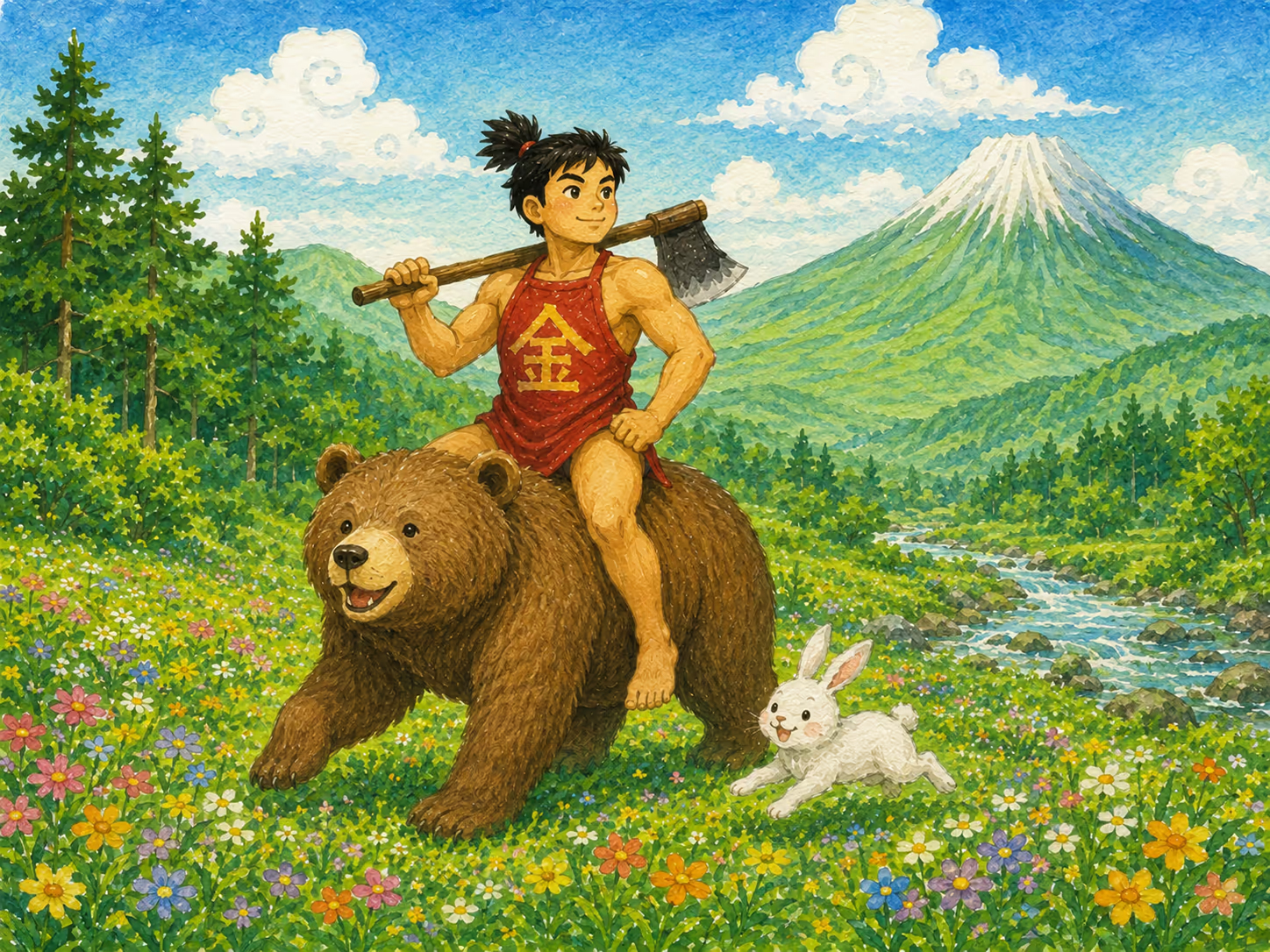
The Japanese tale of Kintaro, the strong boy of Mount Ashigara who grows up among animals and sets out toward the samurai…
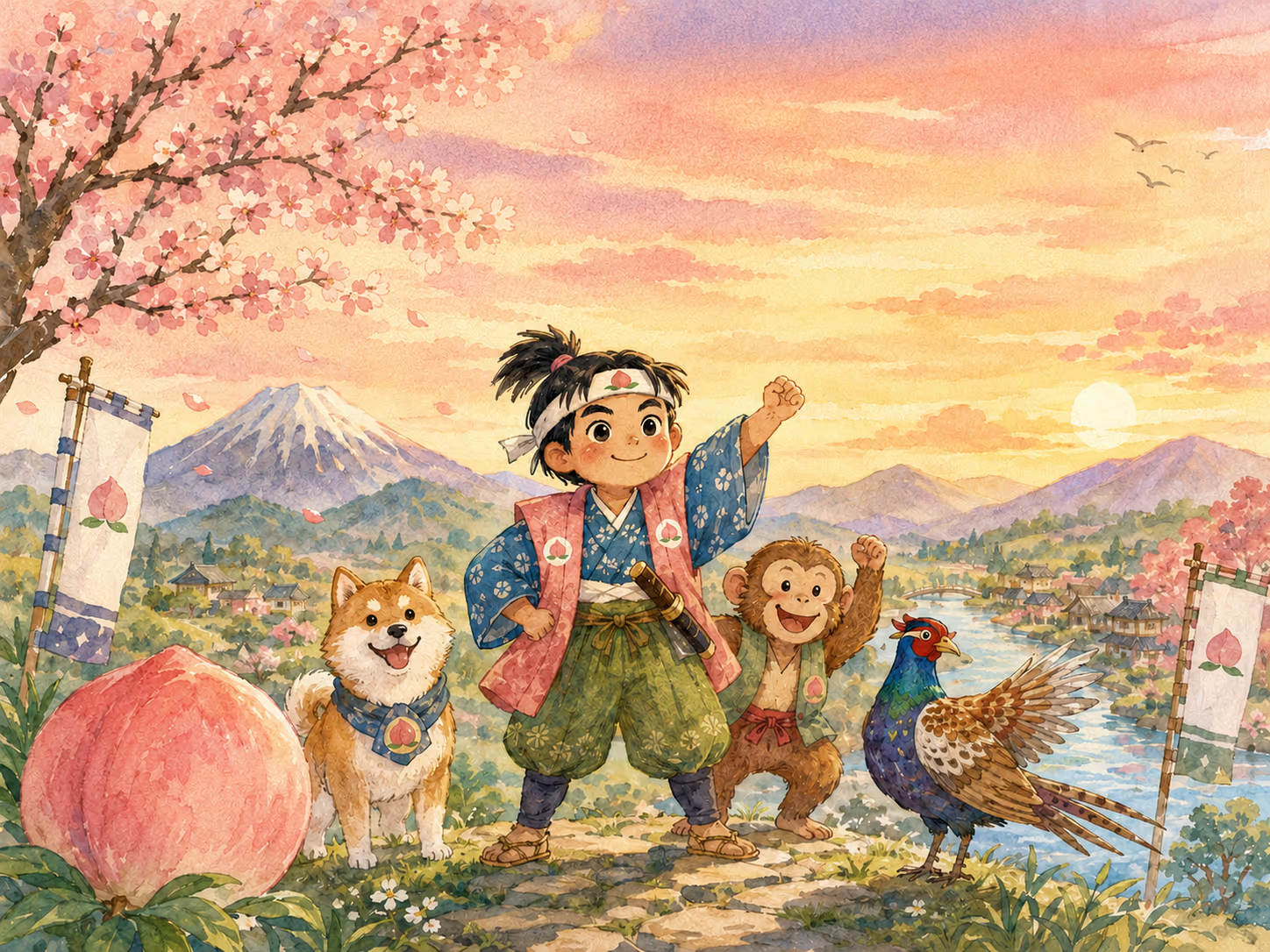
The Japanese folktale of Momotaro, the Peach Boy who travels with a dog, a pheasant, and a monkey toward Oni Island.
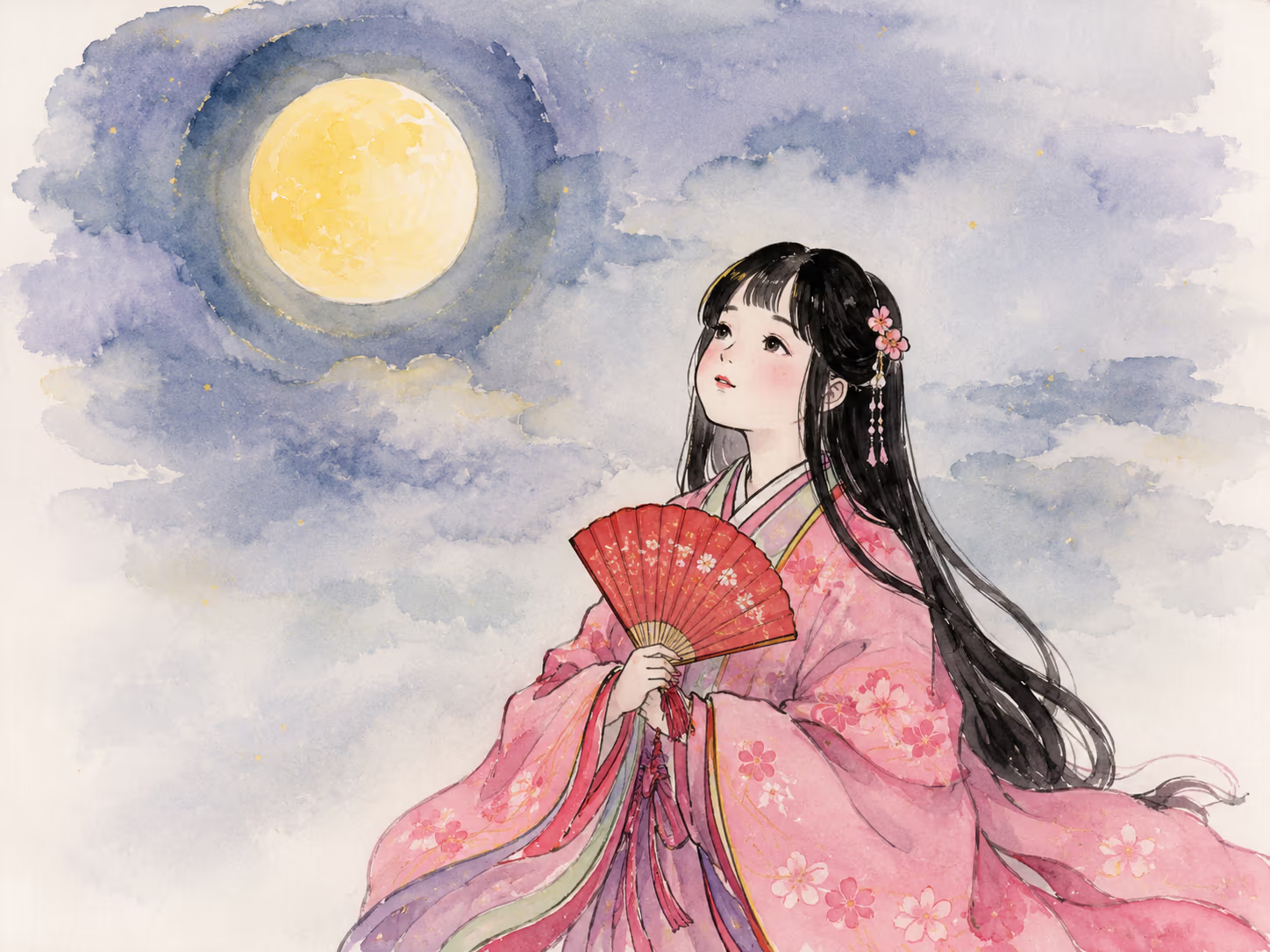
The Japanese tale of Kaguya-hime, the Moon Princess found inside bamboo and raised between affection, mystery, and fate.