The Carpenter and the Demon: origin, summary, and meaning
Guide to Daiku to Oniroku: Hikone the carpenter, the river oni, the bridge, the name riddle, and the folktale’s praise of wit.
Story summary
A village suffers from a powerful river that destroys every bridge the people try to build. Hikone, the best carpenter in the village, is asked to find a solution.
At the riverbank, he meets an oni who promises to build the bridge, but demands something terrible in return. To escape the bargain, Hikone must discover the demon’s name before the deadline arrives.
Origin and tradition
Daiku to Oniroku is a Japanese mukashi banashi that combines two strong motifs: crossing an impossible river and discovering the hidden name of a supernatural creature.
The “secret name” motif appears in traditions from many countries, but here it takes on a distinctly Japanese setting. The threat is not in a distant tower or castle: it is in the village river, the work of a carpenter, and the concrete need for a bridge.
The tale also values listening. Hikone does not win through force, wealth, or magic, but because he notices a children’s song that seems ordinary. A small detail, heard at the right time, changes the village’s fate.
Symbols in the tale
The river is chaos and border. It interrupts daily life, blocks movement, and reminds us that nature, when not understood, can feel almost like an opposing will.
The bridge symbolizes communal care. Building it is not only crossing water: it restores safety, trade, visits, work, and routine to people who had been separated by fear.
The eyes demanded by the oni make the bargain darker. They represent sight, identity, and autonomy; losing them would mean saving the village at the cost of losing one’s own way of inhabiting the world.
Main characters
Hikone is a quiet hero. He is not a warrior or prince: he is a skilled worker, pressured by a collective need and forced to negotiate with something beyond his experience.
Oniroku is threatening, but he also reveals the logic of folktales: the supernatural being has power, yet it has a rule. His secret is not in his muscles, but in his name.
The singing children act almost like accidental messengers. They do not plan to save Hikone, but they show how, in folklore, truth sometimes comes from those who seem only to be playing.
Moral and meaning
Daiku to Oniroku warns against easy bargains. A fast solution can hide a price far too high, especially when it grows from desperation.
The tale also defends practical intelligence. Hikone does not defeat Oniroku through violence; he observes, waits, listens, and uses the right information at the right time.
At its heart, the story turns a bridge into an image of responsibility: building something for everyone requires skill, courage, and attention to the dangers that appear when humans bargain with the unknown.
Japanese terms index
Daiku
Carpenter or master builder. In the tale, Hikone represents practical knowledge and the skill of someone who must solve a real problem for the village.
Oniroku
The oni’s name in the story. The word combines oni with a proper name, and this hidden name becomes the key to breaking the bargain.
Oni
A strong and dangerous being in Japanese folklore. Here, the oni is tied to the river, the fear of crossing, and the temptation of accepting a solution too quickly.
Hashi
Bridge. More than a wooden structure, the bridge symbolizes passage, community connection, and the human attempt to order a natural force that resists control.
Kawa
River. In many tales, rivers mark dangerous borders; in Daiku to Oniroku, the current divides the village and opens the way for the supernatural to appear.
Namae
Name. In folk narratives, knowing the name of a hidden being can mean authority, recognition, or freedom from an unjust bargain.
related Japanese tales
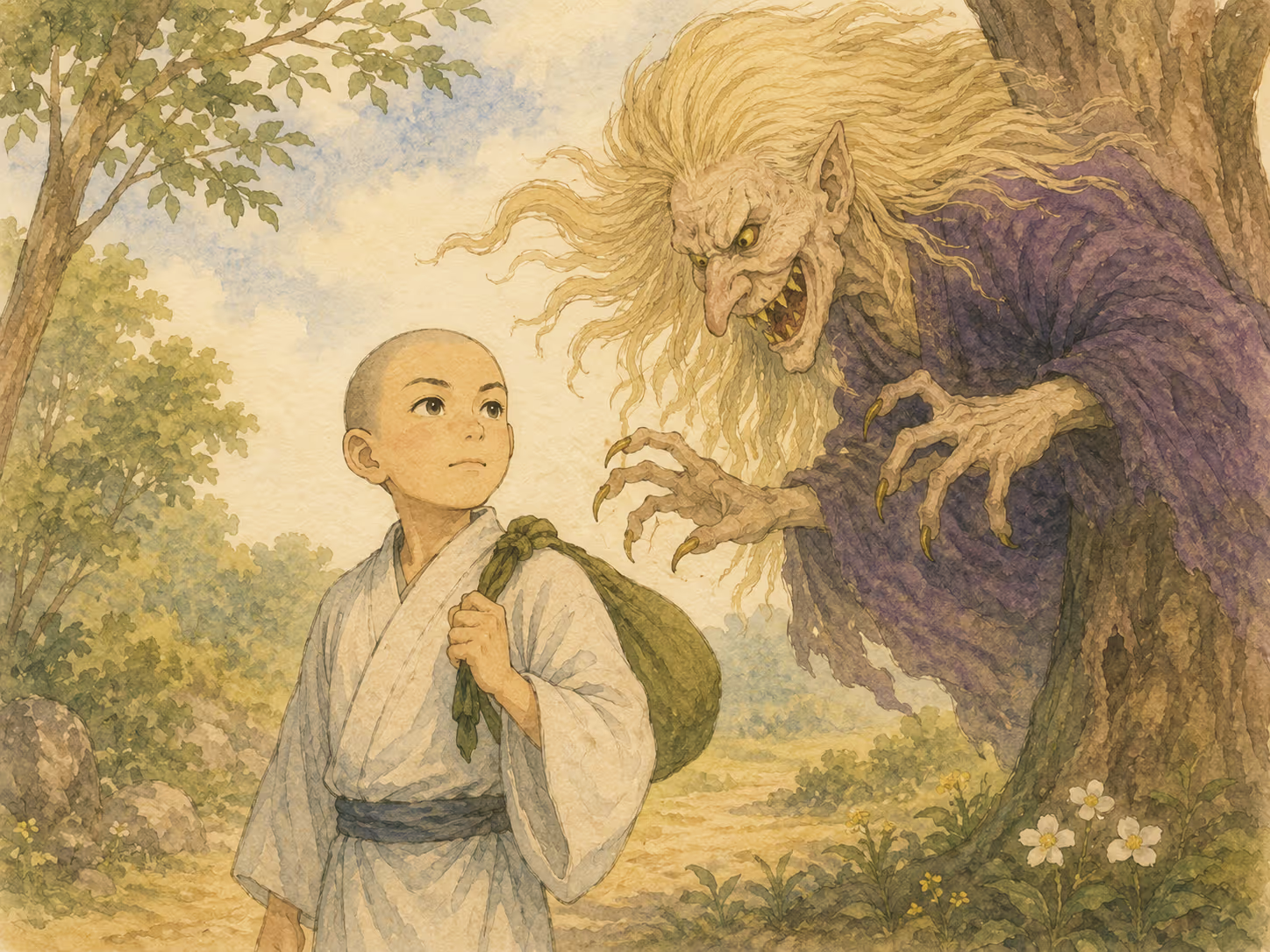
A Japanese tale inspired by Sanmai no Ofuda, where a young monk crosses the mountain carrying three protective ofuda charms.
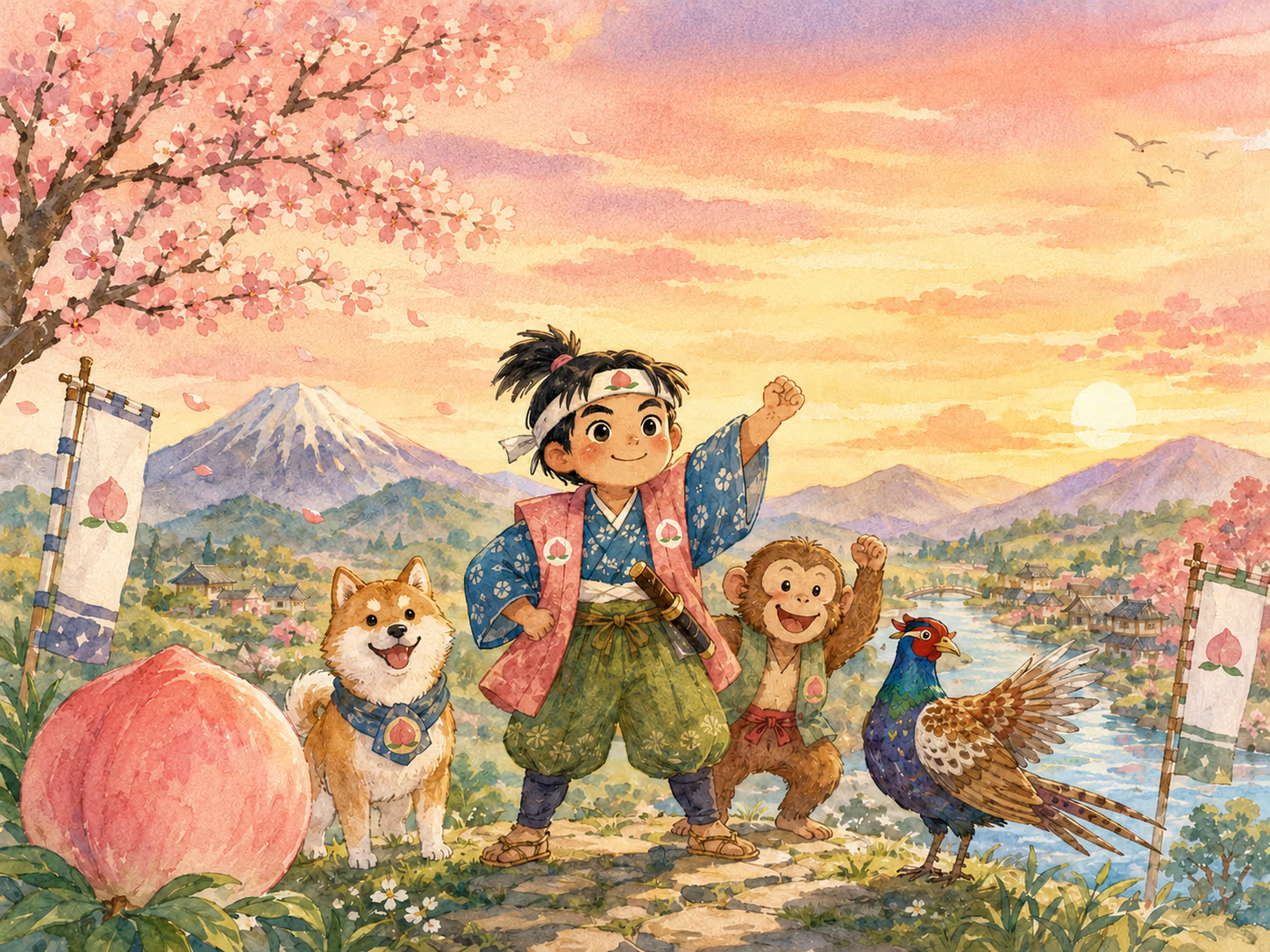
The Japanese folktale of Momotaro, the Peach Boy who travels with a dog, a pheasant, and a monkey toward Oni Island.
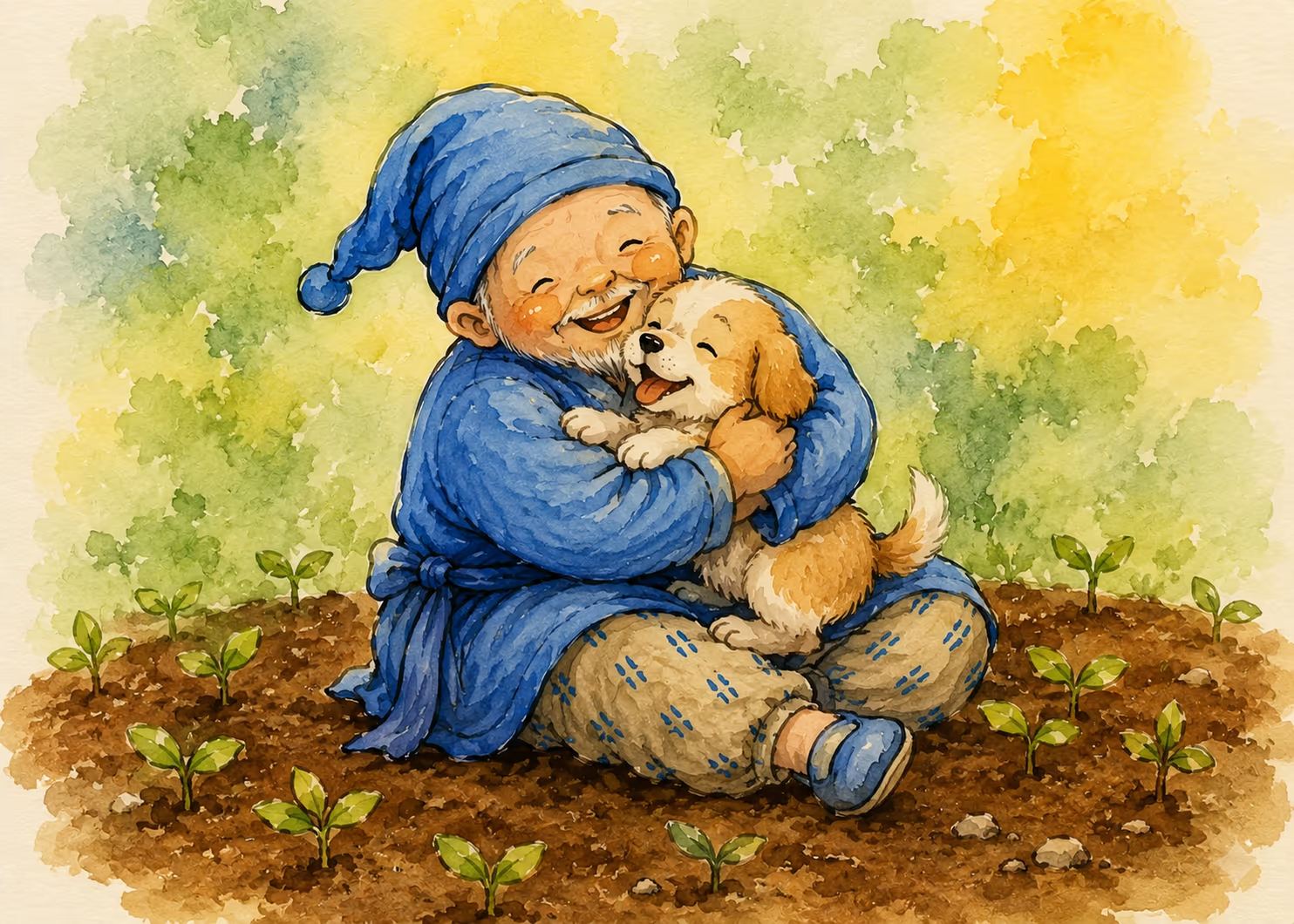
The Japanese tale Hanasaka Jiisan, about a kind old man, his dog Pochi, and ashes that can make dead trees bloom.