Kintaro: origin, summary, and meaning
Guide to Kintaro: the strong child of Mount Ashigara, his mountain childhood, the oni battle, and his link to Sakata no Kintoki.
Story summary
Kintaro lives deep on Mount Ashigara, where he grows up surrounded by forest animals. He is strong from childhood, wrestles bears for play, and dreams of leaving the mountain to become a great samurai.
When he heads toward the capital, his strength is tested by an oni threatening people. The tale follows that passage: from wild and joyful childhood into the responsibility of using power for someone else’s safety.
Origin and tradition
Kintaro belongs to the family of Japanese folk stories about extraordinary children, but his figure also stands close to warrior legend. Tradition often connects him to Sakata no Kintoki, associated with Minamoto no Yorimitsu, also known as Raiko.
That connection explains why Kintaro is more than a strong child. He represents the mythical childhood of a hero: before armor, court service, and an adult name, there is the mountain, the forming body, and direct life among animals and natural forces.
Over time, Kintaro became popular in prints, toys, children’s celebrations, and images of health and vigor. The boy in a red bib, with an axe and determined face, became a symbol of robust growth and cheerful courage.
Symbols in the tale
The mountain is the first major symbol. It is not only a setting: it is a separate world where the child learns from animals, trails, falls, and tests before entering the human order of the capital.
The animals show that strength is not solitary. Bears, foxes, deer, and birds appear as companions in formation; Kintaro does not conquer nature from outside, he grows inside it.
The oni is a moral test. Being strong is not enough. Strength becomes heroic only when it stops being play or pride and begins to protect someone in danger.
Main characters
Kintaro is fearless, but not cruel. His strength is joined to dreams, training, and attention to his mother’s advice, which gives the character an important tenderness.
Kintaro’s mother represents human guidance inside the wild world. She reminds him that strength without study and discipline is not enough for someone who wants to become a samurai.
The animals are friends and informal teachers. The oni, in turn, is the obstacle that transforms Kintaro’s childhood energy into a public act of protection.
Moral and meaning
Kintaro’s moral is not simply “be strong”. The tale values vigor, courage, and health, but it insists that true strength must be guided by learning and responsibility.
The story also speaks about a passage of life. Kintaro leaves the mountain world, where everything feels like play and training, to meet a world where his actions affect other people.
That is why Kintaro remains beloved: he joins innocence and power. He is the image of a childhood full of energy that, when guided well, can mature without losing its light.
Japanese terms index
Kintarō
The hero’s name. Kin means gold, and Tarō is a traditional male name, so the name is often understood as “golden boy”.
Sakata no Kintoki
A legendary warrior often identified with Kintaro as an adult, associated with the heroic retainers of Minamoto no Yorimitsu.
Ashigara-yama
Mount Ashigara, the mountain region tied to Kintaro’s childhood stories. The mountain acts as birthplace, school, and trial ground for the hero.
Masakari
A broad axe that appears in many popular images of Kintaro. Even when it is not central to the plot, it fixes his image as a child of unusual strength.
Oni
A powerful being in Japanese imagination, often translated as demon or ogre. In Kintaro, the oni marks the boy’s passage into protecting others.
Samurai
A warrior associated with discipline, service, and social order. In the tale, the dream of becoming a samurai gives moral direction to Kintaro’s raw strength.
related Japanese tales
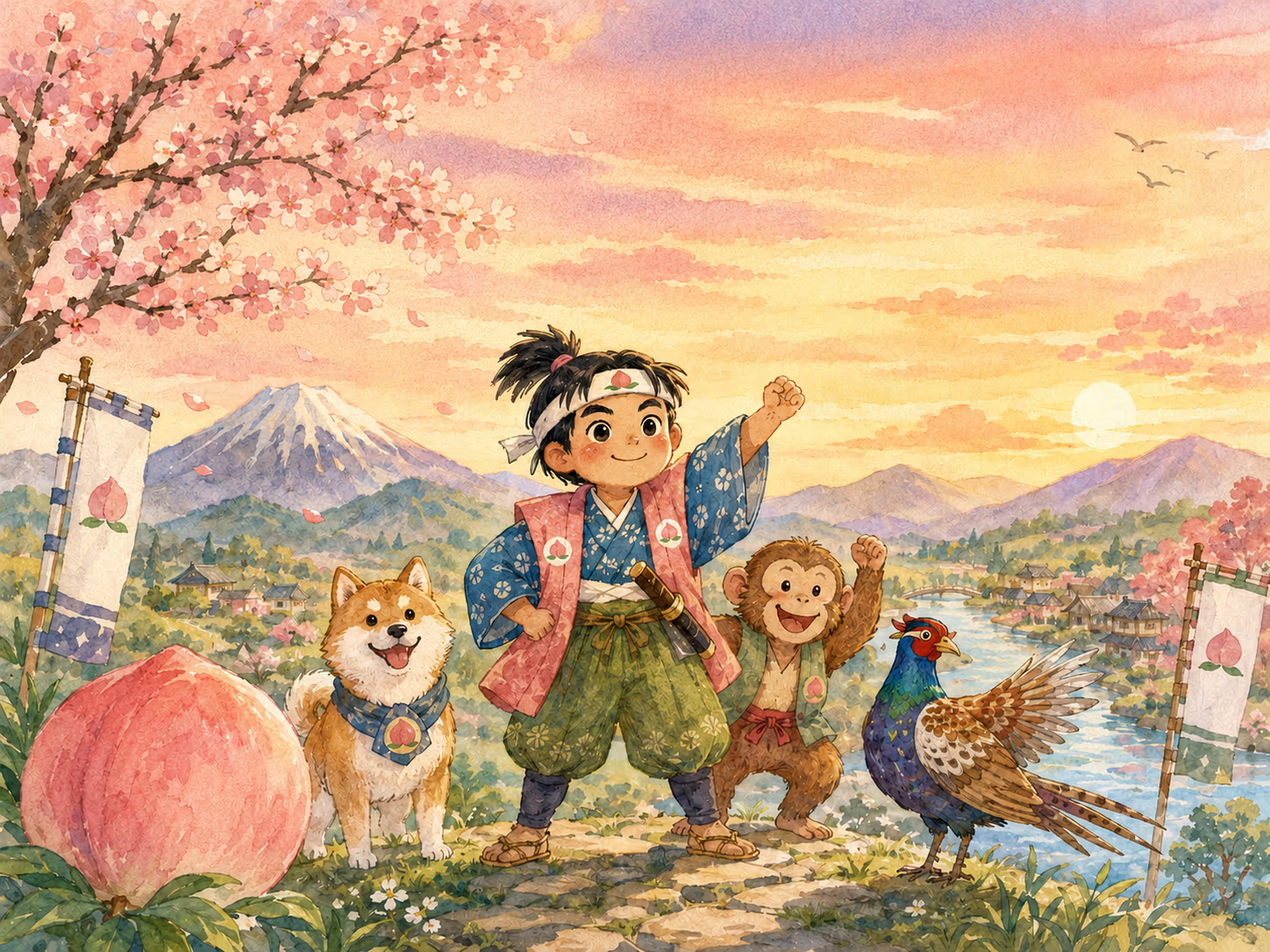
The Japanese folktale of Momotaro, the Peach Boy who travels with a dog, a pheasant, and a monkey toward Oni Island.
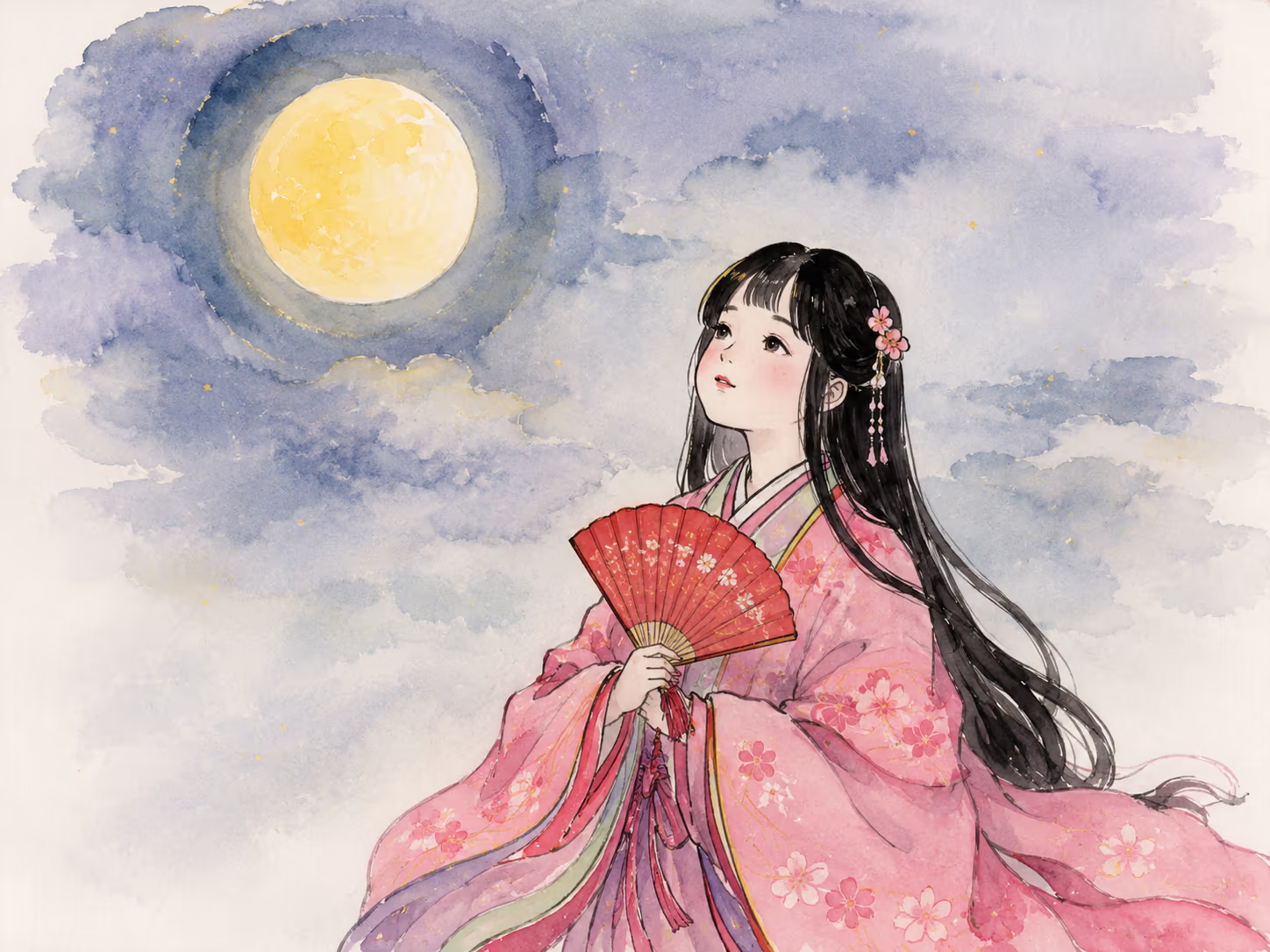
The Japanese tale of Kaguya-hime, the Moon Princess found inside bamboo and raised between affection, mystery, and fate.
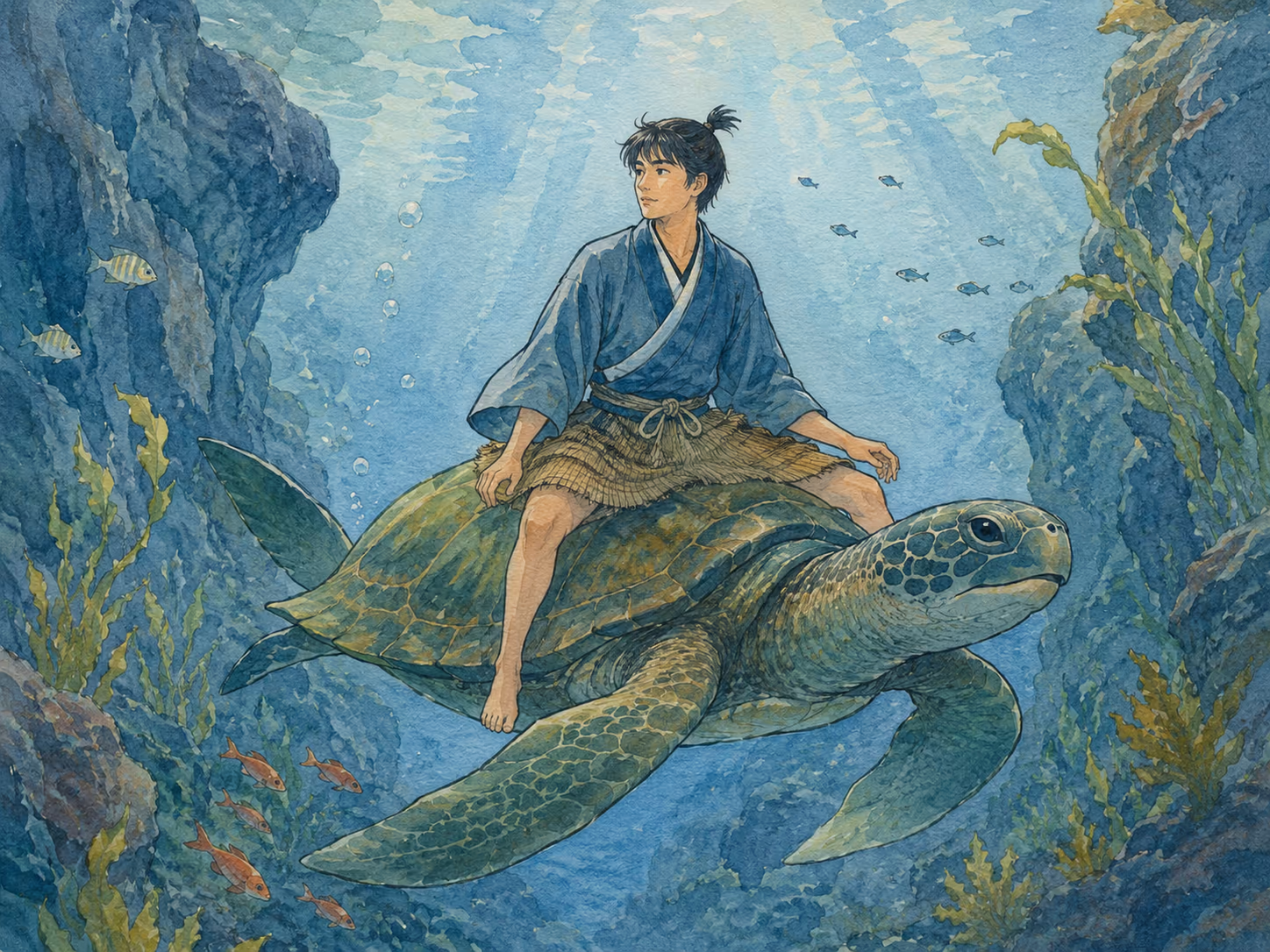
Read Urashima Taro, the Japanese legend of a fisherman who saves a turtle, visits Ryugu-jo, and returns with the mysterious…