About Mukashi Mukashi
A multilingual digital library created to bring traditional stories closer to today’s readers through narrative, illustration, and cultural context.
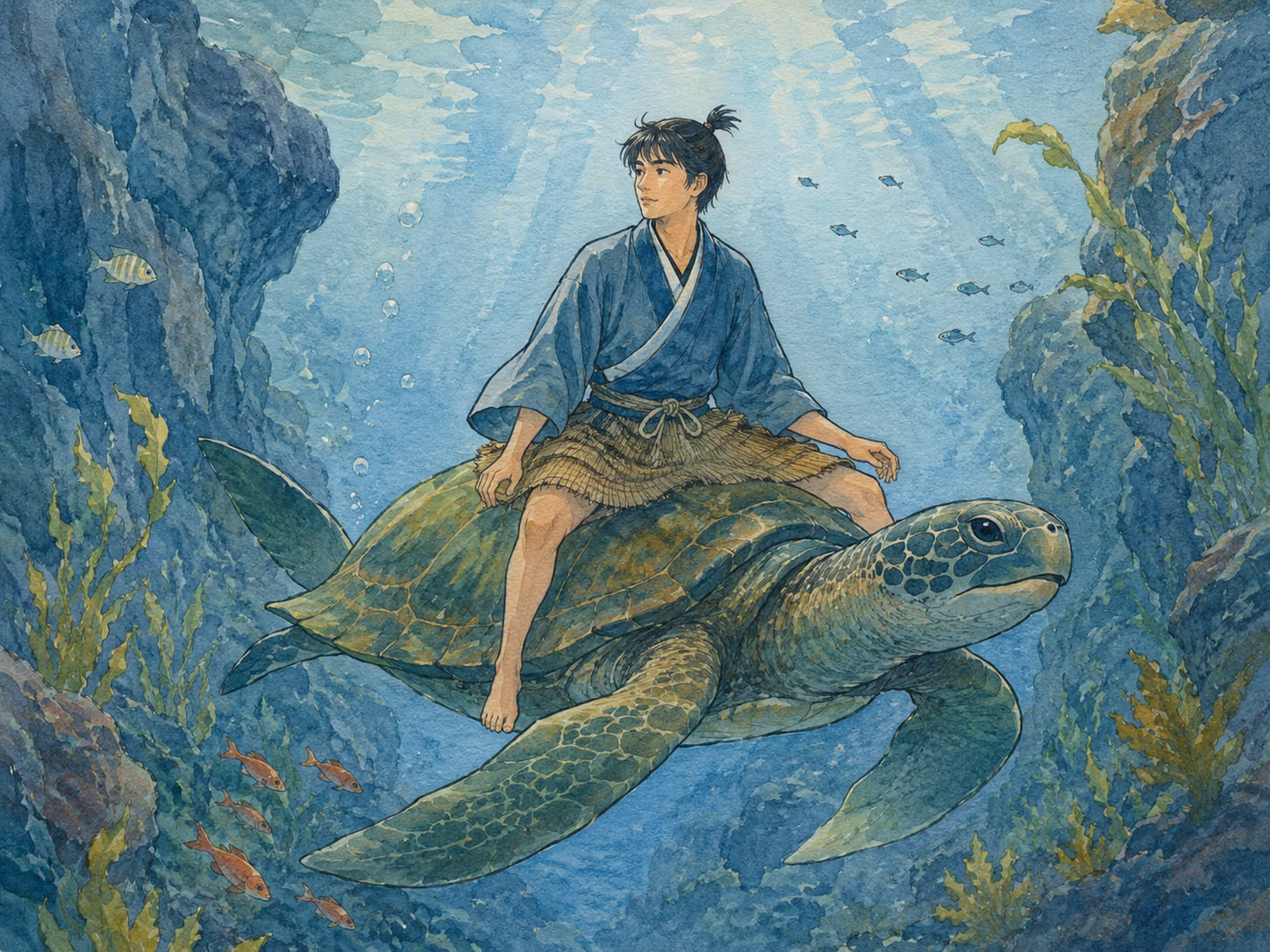
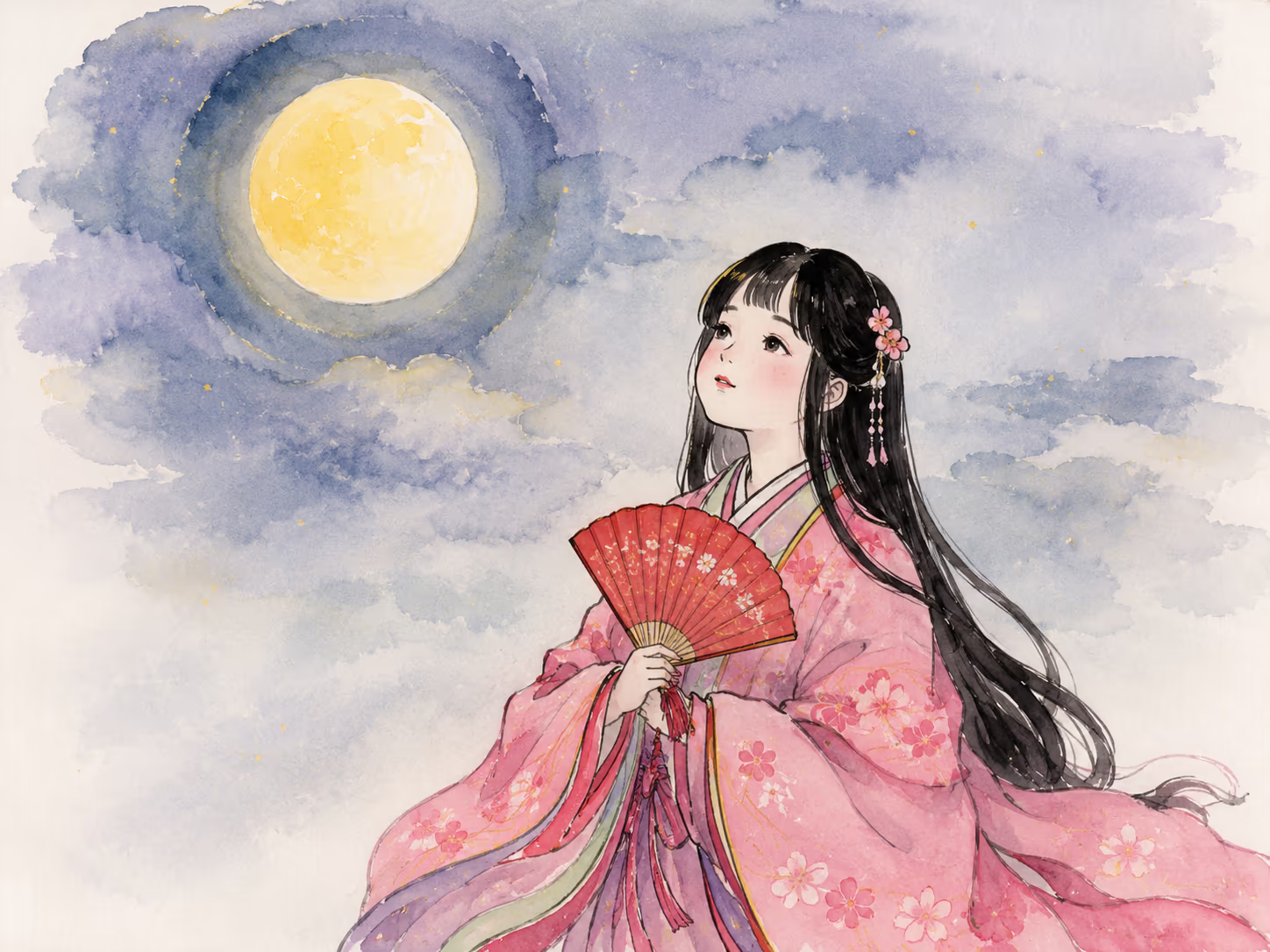
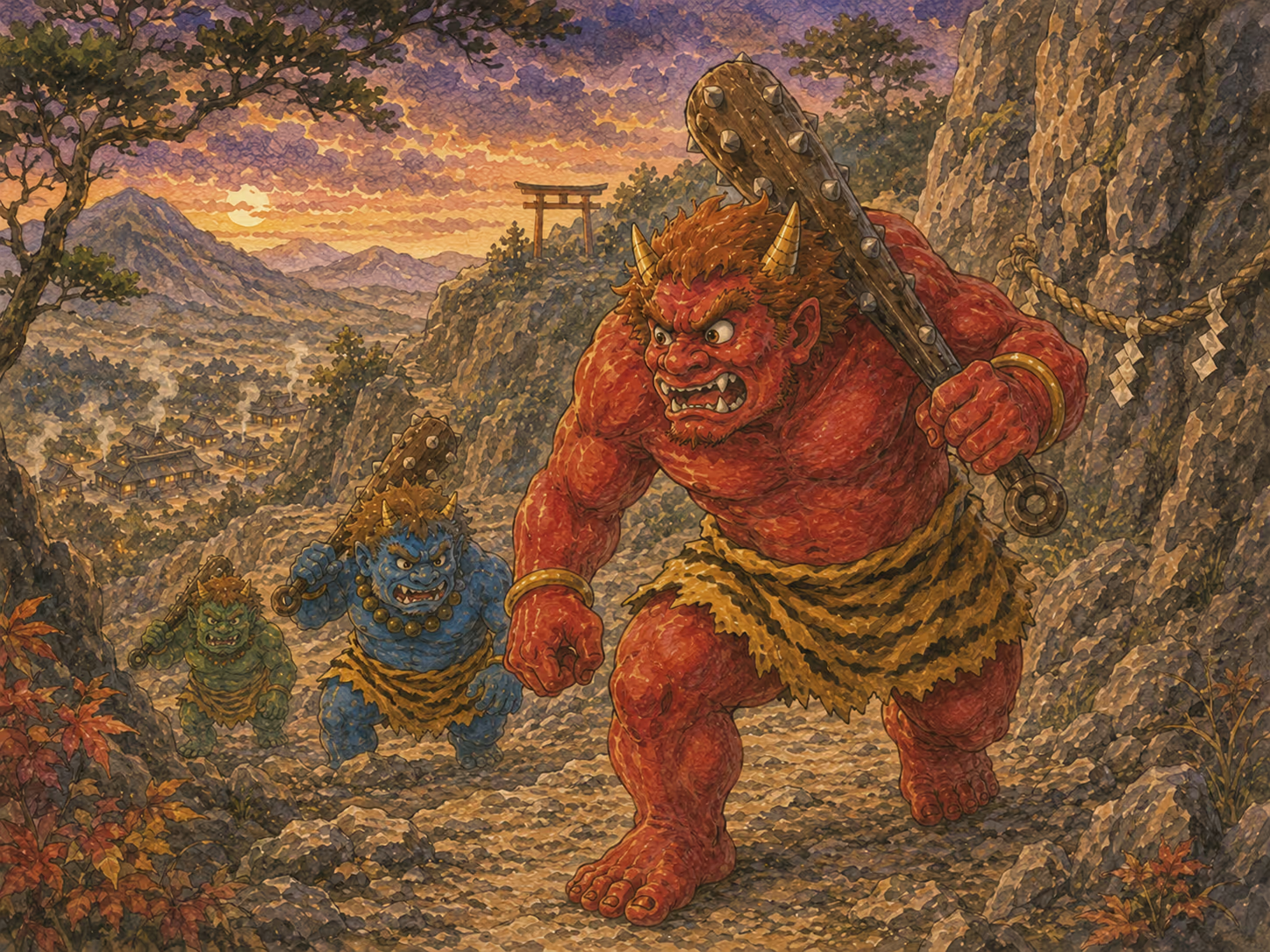
Old stories, a contemporary reading experience
Mukashi Mukashi began with the wish to recover something simple and powerful: meeting a story told with care. Each tale is presented as a small digital book, page by page, so that words and images have room to breathe.
The project begins in Japan, with mukashi banashi, yōkai, and kami, but it does not end there. Its long-term purpose is to build a library of folklore from around the world while respecting the voice, symbols, and multiple versions of each tradition.
How each piece takes shape
The finished experience feels simple, but every publication moves through distinct editorial stages.
Research and context
Literary, cultural, and institutional sources are compared to identify meaningful versions, terms, characters, and interpretations.
Editorial retelling
Texts are adapted for clear, engaging reading without erasing ambiguity, regional differences, or the limits of the available sources.
Careful translation
Each language receives adjustments in rhythm, vocabulary, and cultural references instead of a rigid or merely literal translation.
Illustration and experience
Images produced for the project accompany scenes and beings, while the reader is designed to remain clear on desktop and mobile.
Digital tools assist parts of the research, translation, review, design, and illustration process. Topic selection, editorial direction, verification, refinement, and final publication are conducted within the project.
Stories that also teach
Alongside folktales and beings from world folklore, Mukashi Mukashi creates interactive experiences that bring readers closer to the cultures behind these narratives. The first is Kana Dōjō, a free tool for practising hiragana and katakana through guided study, flashcards, and short challenges.
Practise hiragana and katakanaEditorial commitments
- 01Distinguish documented tradition, regional variation, and contemporary interpretation.
- 02Add original context instead of merely summarizing other pages.
- 03Treat names, cultural terms, and historical uncertainty with clarity.
- 04Keep stories and articles freely accessible.
- 05Review and correct content when stronger sources or observations emerge.
Victor Ferreira Diniz
Victor leads the editorial research, text adaptation, translation review, visual direction, and development of the library. The project is independent and grows one publication at a time, with care not to sacrifice quality as its scope expands.
A project that begins in Japan
The Japanese collection is the library’s first cultural core. From there, new countries and traditions will receive their own spaces, with contextual guides, illustrated stories, and connected folklore beings. The structure is designed to grow by culture rather than blend them into a generic collection.
Corrections and dialogue
Folklore is not a fixed collection of final answers. If you notice a cultural inaccuracy, a translation that could read more naturally, or an important source worth considering, the project remains open to responsible revision.
View the public project on GitHub